
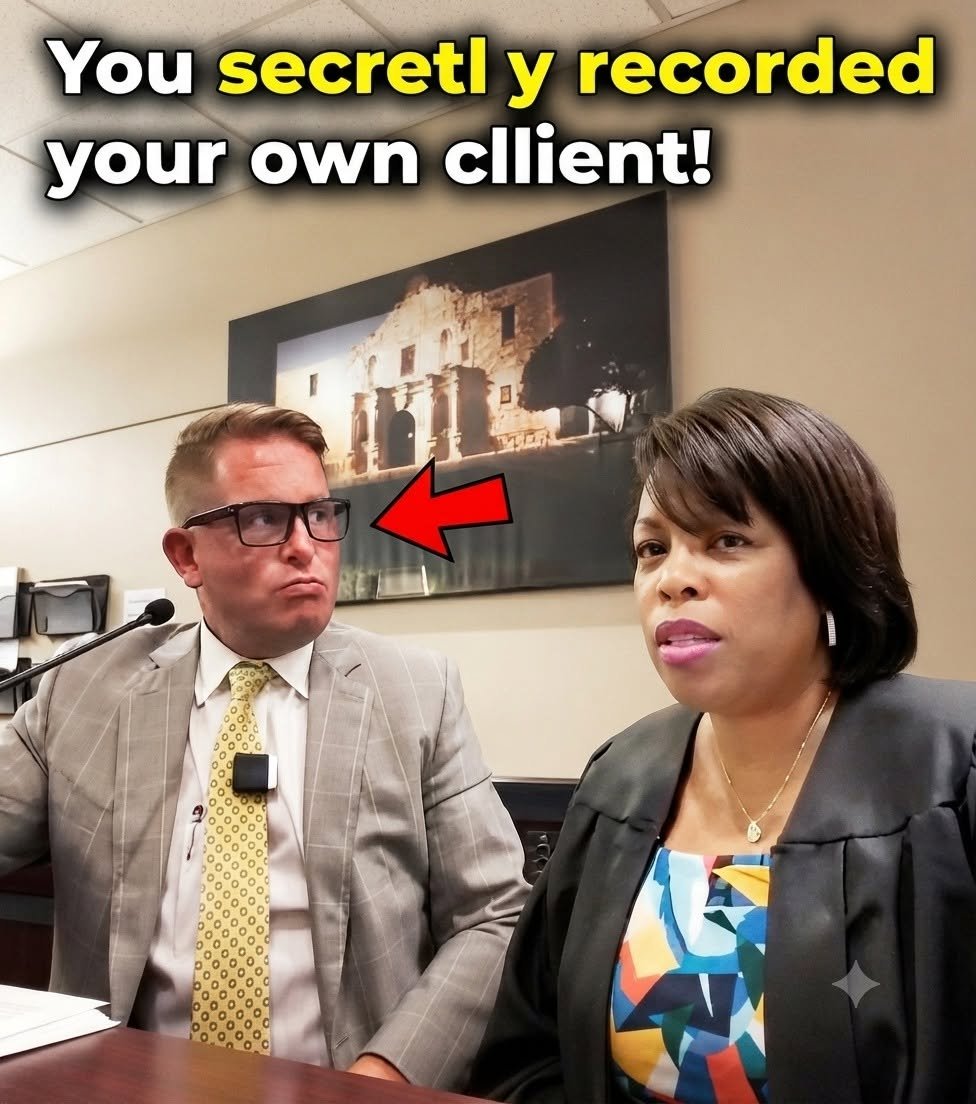
When Your Own Attorney Uses Your Words Against You in Court: The Legal and Ethical Shockwave of Secret Recordings
Preview
When defendant Ronald Allen met with his divorce lawyer in a confidential office setting, he expected professional discretion. Instead, his attorney secretly recorded their conversation, interpreted an agitated statement about custody battles as a terroristic threat, and handed the audio to prosecutors. This case explores the explosive intersection of attorney-client privilege, mandatory reporting ethics, and criminal liability.
The Anatomy of a Privilege Breach
The legal showdown in the 187th District Court of Bexar County, Texas, centered on a chilling piece of evidence: a 13-minute secret recording captured by Charles Ireland, Allen’s former family law attorney. During an emotionally charged meeting on April 21, 2025, while pacing the office ahead of a critical custody hearing, Allen made a stressed remark regarding his fears of a tragic outcome if the court system failed to take family disputes seriously: “I’m prepared for Wednesday, but something is going to happen that’s going to change history… whether you bust these guys or there’s dead bodies everywhere, bro.”
Viewing this as an imminent threat of mass violence, Ireland broke standard protocol. Rather than maintaining confidentiality, he recorded the interaction, consulted the State Bar of Texas ethics hotline, and forwarded the audio to law enforcement. Consequently, Allen was arrested and charged with making a terrori
Privilege Versus Mandatory Reporting Exceptions
During the July 28 suppression hearing before Judge Stephanie Boyd, defense counsel Charles Butcher argued that the recording violated core tenets of the attorney-client privilege and the Texas Rules of Evidence (Rule 503). The defense stressed that Allen was speaking in a protected legal setting, under extreme emotional distress, with a legitimate expectation of privacy.
However, the prosecution countered using exceptions embedded in legal and ethical frameworks:
The Crime-Fraud / Future Harm Exception: Under Rule 503 and professional conduct guidelines, the privilege evaporates if a communication is made in furtherance of a crime or when an individual outlines plans to cause severe harm.
Rule 1.05(e) Disciplinary Mandate: Under the Texas Disciplinary Rules of Professional Conduct, an attorney is not only permitted but legally obligated to disclose confidential information if it clearly establishes that a client is likely to commit an act resulting in death or substantial bodily harm.
Both the State Bar ethics helpline and Ireland’s personal counsel advised him that he possessed a mandatory duty to report the statements, turning a trusted legal advisor into the state’s primary complaining witness.