
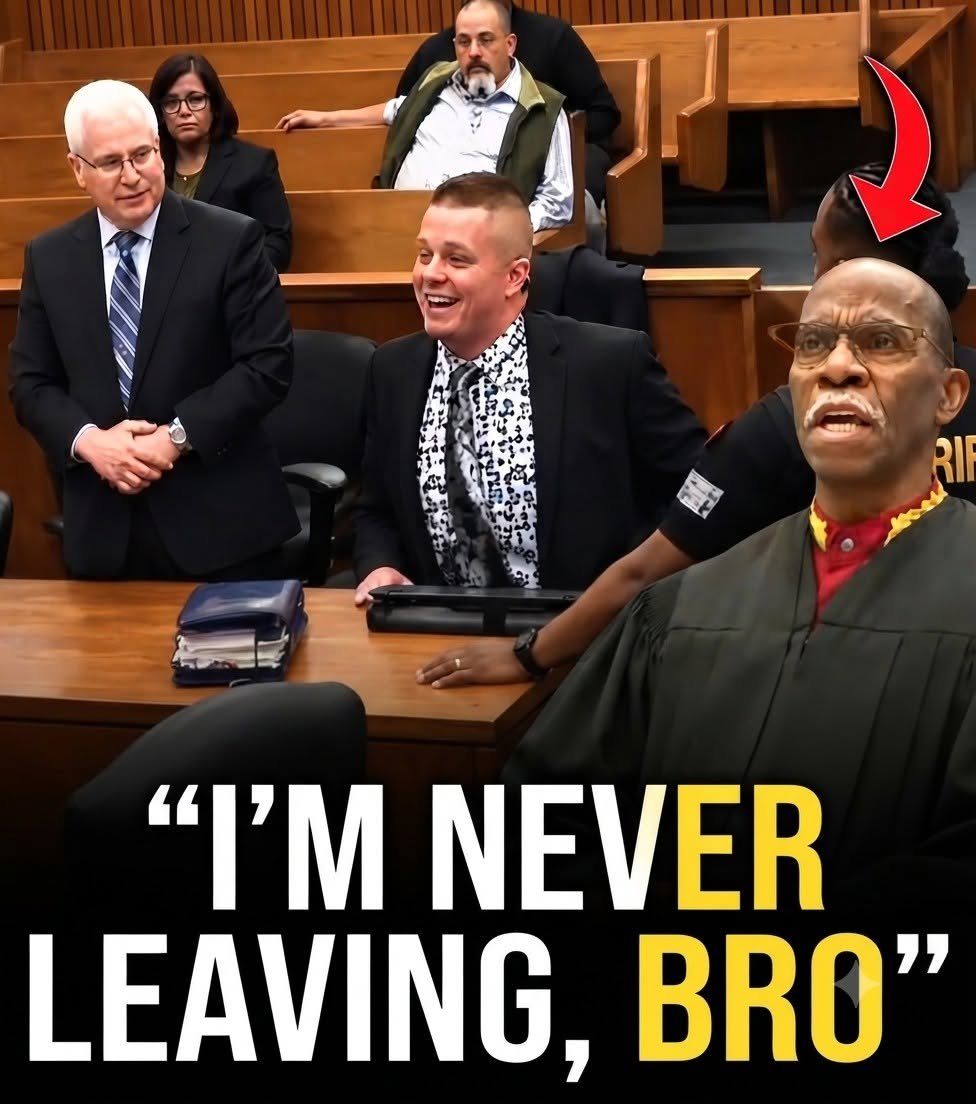
Arrogant Defendant TROLLS The Judge — Heated Showdown Ends With Him ORDERED OUT!
Arrogant Defendant Trolls the Bench and Learns the Hard Way
Preview
A routine court docket turned into an intense clash of wills when a stubborn defendant repeatedly dodged direct questions, attempted to test the judge’s patience with legal semantics, and ultimately forced an abrupt postponement. By contrast, a second case demonstrated how cooperation moves the system forward, highlighting the vast difference between obstruction and accountability inside the courtroom.
The Anatomy of a Courtroom Standoff
The morning session quickly derailed when a defendant representing himself chose to play a game of semantics rather than answer basic questions regarding his comprehension of the charges and the trial standards.
The Semantic Loop: When asked repeatedly if he understood the serious perils of self-representation and whether he recognized the charges against him, the defendant insisted he “overstood” or simply did not understand because of supposed constitutional violations.
Refusing the Rules: The bench made it explicitly clear that no special leeway or favoritism would be granted to pro se litigants, demanding a direct “yes” or “no” answer.
The Breaking Point: Refusing to cooperate and continuously interrupting the court, the defendant’s evasive tactics left the judge with no choice but to halt the proceedings, issue a strict warning, and push the case out while noting ongoing objections.
A Study in Contrasts: Taking Accountability
While the first matter dissolved into frustration, the docket shifted gears with a completely different approach from an incarcerated defendant facing a charge of assault and battery. Represented by counsel, this individual chose a path of cooperation over conflict.
Negotiating a Plea: Defense counsel worked with the state to secure an agreement dropping the primary assault charge down to a reduced count of disturbing the peace.
Navigating Victim Rights: Addressing statutory requirements involving incarcerated victims, the court carefully ensured that proper notification protocols and pre-sentence reports were ordered before finalizing anything.
Moving Forward: Despite already dealing with probation violations and other legal holds, the defendant voluntarily entered a guilty plea for his actions at the local jail, trading defiance for a clear, documented path toward resolution.
The Power of Communication
These back-to-back courtroom snapshots underscore an undeniable truth of judicial proceedings: how a defendant chooses to communicate dictates the entire trajectory of their case. While stalling, arguing, and trying to outsmart the bench only breeds friction and delays, owning up to charges and working within the legal framework allows justice to finally take its course.
Disclaimer: This story is fictional and created for entertainment purposes only. Any names, characters, places, or events are fictitious or used fictitiously. No real person or organization is intended to be portrayed.